
Engineer Sherif El Sherbiny, Minister of Housing, participated in a House of Representatives session to discuss the draft law regulating the drinking water and sanitation utility. He expressed his gratitude to the Speaker and members of the House, noting that the minor amendments to the articles of the draft reflect strong coordination between the executive and legislative branches.
The Minister of Housing responded to an inquiry from one of the representatives regarding prepaid smart water meters. He explained that the meters include an audible alarm that activates 24 hours before the balance runs out and a warning light that turns on once 80% of the balance is consumed.
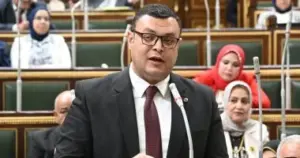
Engineer Sherif El Sherbiny emphasized that the draft law submitted by the government to regulate the drinking water and sanitation utility is one of the key legislations aimed at supporting resource sustainability, protecting consumer rights, and encouraging private sector participation. The draft was prepared by a specialized committee, reviewed and discussed before being presented to the Cabinet and then referred to the House of Representatives.
The draft law consists of 79 articles distributed across 7 main chapters. The issuance law includes 6 articles that set a six-month deadline for issuing the executive regulations. The first chapter focuses on definitions and general provisions, emphasizing the importance of the drinking water and sanitation utility. The second chapter organizes the regulatory authority responsible for water and sanitation, defines service providers and their obligations, and opens the door for private sector participation. The third chapter outlines the obligations of citizens in paying for their consumption and imposes penalties on violators. The fourth chapter pertains to the licensing requirements necessary to engage in utility-related activities.