
Rent-to-Own Apartments at the Ministry of Housing
Many citizens are eagerly waiting for the opening of applications and booking for rent-to-own housing units, which the Ministry of Housing is preparing to launch through the Social Housing and Mortgage Finance Support Fund. These units will be available across several new cities and governorates.
The Ministry of Housing is currently completing its preparations to introduce rent-to-own apartments for low- and middle-income groups. The units are fully finished and ready for immediate occupancy, with sizes ranging from 75 to 90 square meters. The official application date is expected to be announced soon, and submissions will be handled through the Social Housing and Mortgage Finance Support Fund.
The government has outlined a plan to provide 100,000 housing units under the rental system, with the first phase expected to include around 30,000 units. The Social Housing and Mortgage Finance Support Fund is also working on setting the regulations and conditions for allocating these units to ensure that support reaches eligible citizens and to prevent any misuse or manipulation.
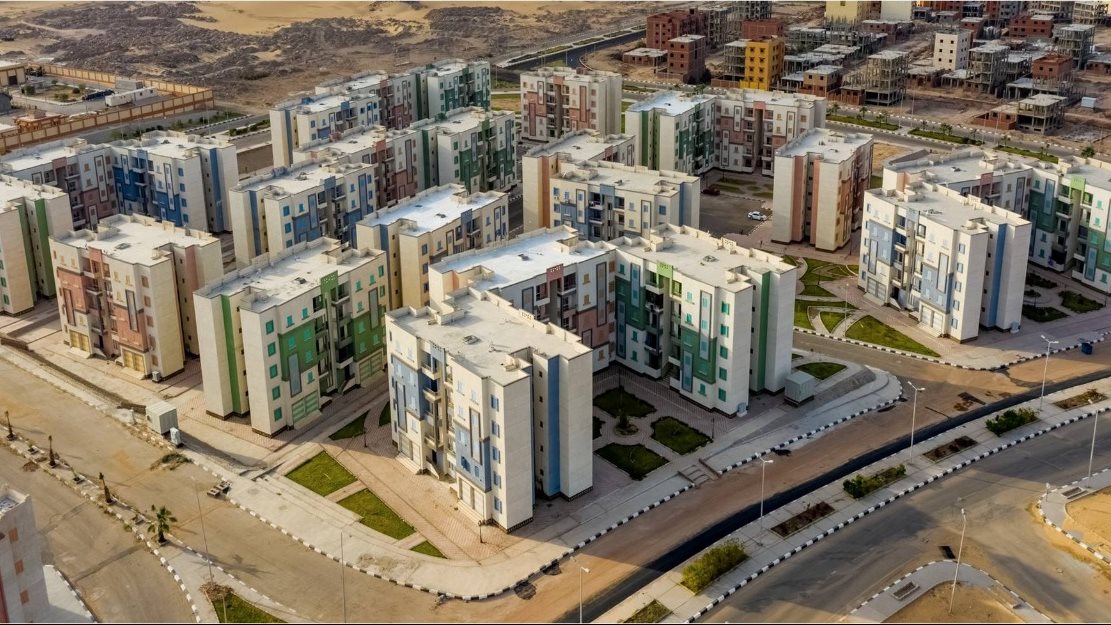
Inventory of Rent-to-Own Apartments at the Ministry of Housing
The Social Housing and Mortgage Finance Support Fund is currently carrying out an inventory of ready-to-occupy units as well as remaining apartments from the ministry’s housing projects in new cities, which may be included in the upcoming offering.
Rent-to-Own Housing File
Previously, Prime Minister Mostafa Madbouly confirmed that the rental housing file is one of the key priorities directed by President Abdel Fattah El-Sisi, aimed at providing flexible housing solutions that suit different income levels.
The Prime Minister also emphasized the importance of strengthening partnerships with the private sector in implementing housing projects for low- and middle-income citizens.
This approach involves allocating land to companies to develop projects and deliver housing units to the state, in return for allowing the private sector to benefit from the commercial components of these projects. This mechanism helps reduce the financial burden on the state while increasing the overall housing supply.