
At a time when many governments globally are working to rationalize public spending and reassess budget priorities amid geopolitical tensions and rising international financing costs, the budget of the General Office of the Ministry of Housing, Utilities and Urban Communities for the fiscal year 2026/2027 delivers a clear signal: Egypt continues to position the housing and urban development sector as a central pillar for both economic growth and social stability in the next phase.
The new budget draft shows that total expenditures have increased to around EGP 36.6 billion, compared to EGP 26.8 billion in the current fiscal year, marking a rise of 36.5%. This growth rate surpasses that of many other government sectors, underscoring the continued reliance on urban development as a key driver of economic activity and a fundamental tool for reshaping Egypt’s demographic and urban landscape.
This increase cannot be separated from the wider political and economic environment in which the state is operating. Over the past years, the government has pursued an urban expansion strategy as a primary solution to address high population density, reduce pressure on the Nile Valley and Delta, and establish new economic hubs capable of accommodating future population growth over the coming decades.
Egypt has recently witnessed the execution of a large-scale wave of new cities and infrastructure projects, including the New Administrative Capital, New Alamein, and New Mansoura, in addition to several new cities in Upper Egypt. These efforts also extend to social housing programs and the “Housing for All Egyptians” initiative, which aims to provide millions of residential units for different income segments.
In this context, one of the most significant figures in the new budget is the allocation of EGP 24 billion for non-financial assets and the investment plan, compared to EGP 16 billion in the previous year, representing an increase of up to 50%.
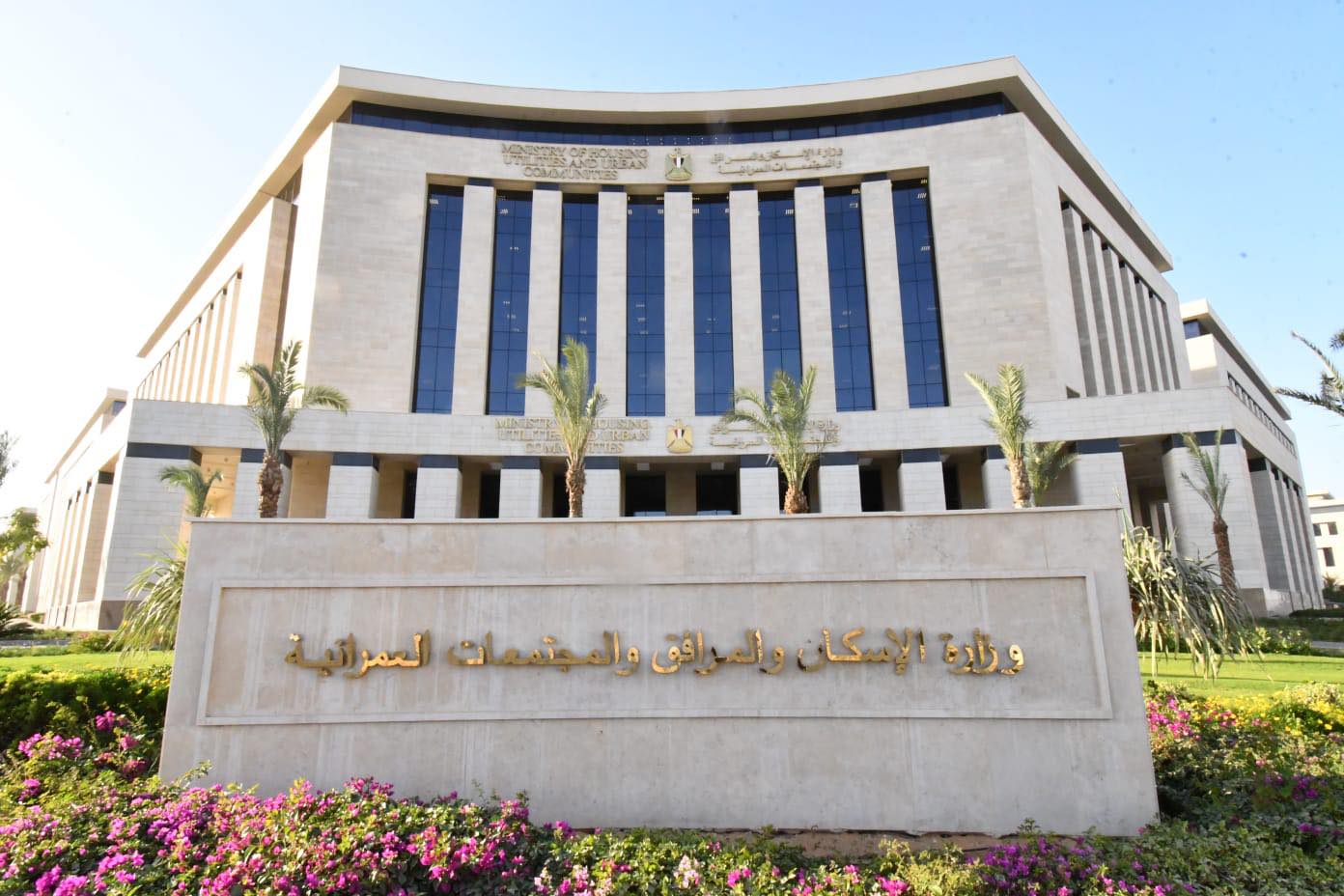
This rise clearly indicates that the state does not treat housing spending as a form of consumption, but rather as a long-term investment in infrastructure, urban development, and public utilities. These sectors are directly linked to improved productivity, increased economic activity, and enhanced living standards.
From an economic perspective, the construction sector remains one of the largest employment-generating industries in Egypt, with strong linkages to multiple supporting sectors such as cement, steel, ceramics, cables, sanitary ware, timber, transportation, and engineering services. As a result, increased investment in housing and utilities has a direct and wide-reaching impact on economic growth and job creation.
These allocations also come at a time when the government is working to sustain growth rates despite mounting regional and global challenges, including ongoing geopolitical tensions in the region, fluctuations in global energy and shipping markets, and rising borrowing costs. Such conditions have led many countries to delay or scale back investment programs.
On the political level, the budget reflects the state’s continued focus on services that directly affect citizens, particularly housing, drinking water, sanitation, and urban development. These areas are now increasingly viewed not just as public services, but as elements of national security, especially in light of rapid population growth and ongoing urban expansion.
The continued large-scale investment in this sector also sends positive signals to both domestic and foreign investors regarding the stability of Egypt’s long-term development strategy and its ability to withstand short-term economic fluctuations. This helps explain the sustained flow of investments into new cities and emerging urban areas.
On the other hand, the budget shows that current expenditures have risen to EGP 12.6 billion, compared to about EGP 10.8 billion in the previous fiscal year, reflecting the expanding scale of projects and the growing need for supervision, operation, and monitoring by the ministry and its affiliated agencies.
Regarding revenues, direct income is estimated at around EGP 1.18 billion, while the deficit financed by the state treasury reaches EGP 17.8 billion. However, these figures should be understood in light of the ministry’s role as a supervisory and regulatory body, while its affiliated entities—most notably the New Urban Communities Authority—operate with separate budgets and independent financial resources.
Overall, the 2026/2027 budget of the Ministry of Housing, Utilities and Urban Communities highlights the state’s continued commitment to comprehensive urban development as a cornerstone of economic growth and social stability.
Despite complex financial and economic pressures, Egypt continues to channel significant investments into housing, utilities, and new urban communities, based on the belief that urban development and infrastructure expansion are not a fiscal burden, but a strategic investment in the country’s future, its capacity to support coming generations, and its long-term sustainable development path.