
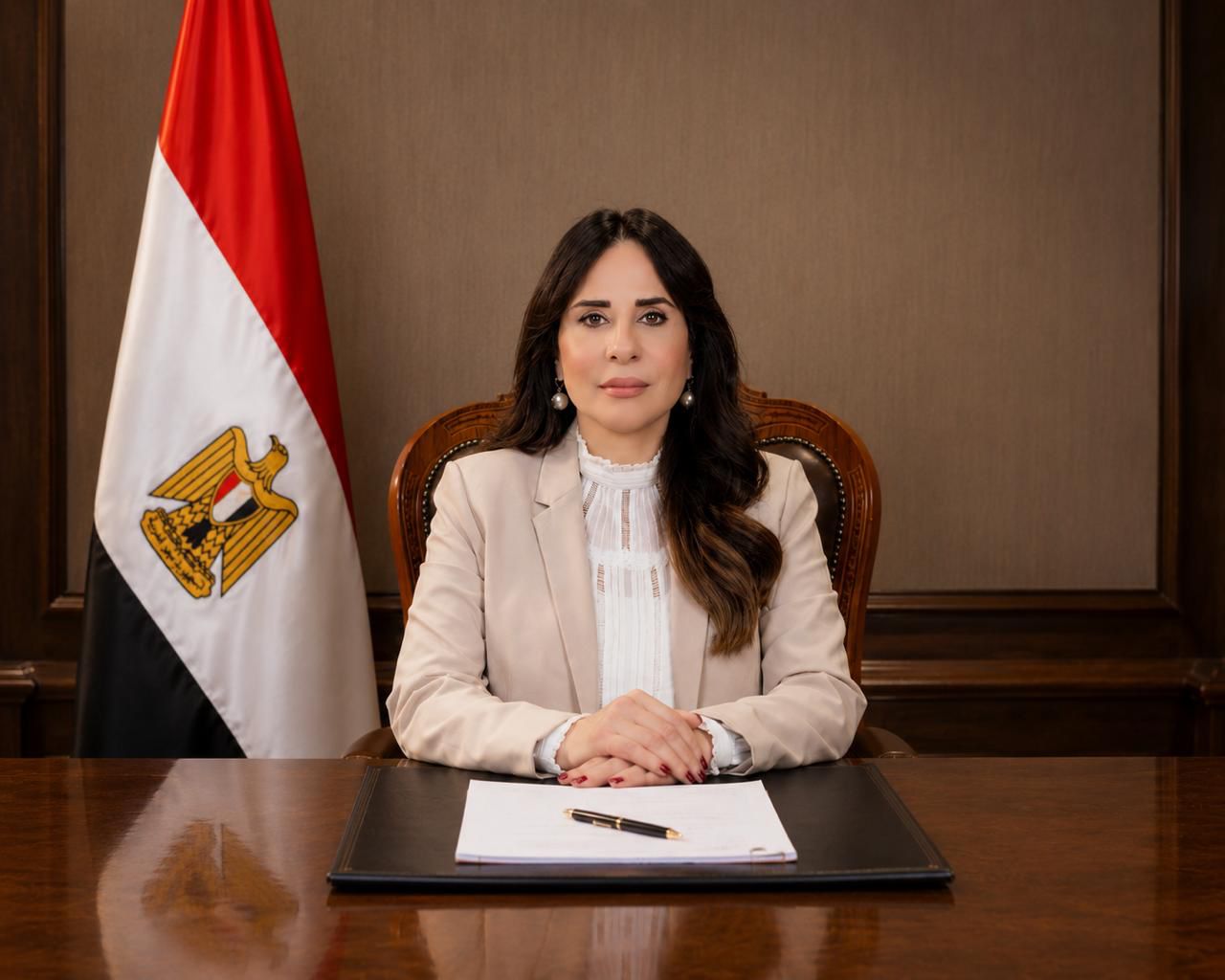
Engineer Randa El-Menshawy, Minister of Housing, Utilities, and Urban Communities, reviewed the achievements made in the drinking water and sanitation sector and national projects from 2014 through June 2026, as part of the state’s efforts to build the New Republic under the leadership of President Abdel Fattah El-Sisi.
The Minister of Housing affirmed that the drinking water and sanitation sector witnessed the implementation of a broad package of national projects during this period. These included expanding drinking water projects and increasing service coverage, constructing seawater desalination plants, expanding sanitation projects and improving coverage rates, in addition to launching numerous initiatives and projects aimed at achieving sustainability and enhancing the efficiency of water resource management.
Regarding drinking water projects, the minister stated that the number of drinking water plants has reached approximately 3,216, with a total design capacity of 44.6 million cubic meters per day.
The total length of drinking water networks has reached around 182,200 kilometers, while 136 new plants are currently under construction with a combined design capacity of approximately 4.44 million cubic meters per day. In addition, around 1,817 kilometers of new water networks are being implemented, contributing to an increase in nationwide drinking water coverage from 95% in 2014 to 99% in 2026.
The Minister of Housing pointed out that the production capacity of seawater desalination plants has increased from 84,000 cubic meters per day in 2014 to 1.42 million cubic meters per day at present, following the implementation of 129 desalination plants. An additional 19 plants, with a combined capacity of 687,000 cubic meters per day, are currently under construction, bringing the targeted total production capacity to approximately 2.1 million cubic meters per day across coastal governorates and cities.
She added that the state is implementing a strategic plan to expand seawater desalination projects through 2050, in cooperation with various relevant entities, with the aim of reaching a total production capacity of approximately 9.8 million cubic meters per day to meet future drinking water needs.
Regarding sanitation projects, the minister explained that the number of wastewater treatment plants increased from 385 before 2014 to approximately 621 by June 2026, following the completion of 236 new plants, including 47 tertiary treatment facilities.
The total design capacity has reached approximately 19 million cubic meters per day. The total length of sanitation networks has reached around 93,500 kilometers, while 193 additional treatment plants with a combined design capacity of approximately 3.2 million cubic meters per day are under construction, alongside about 6,430 kilometers of new sanitation networks.
She said these projects contributed to increasing urban sanitation service coverage from 79% in 2014 to 96% in 2026. Rural sanitation coverage also rose from 12% to approximately 60% during the same period, increasing the nationwide overall coverage rate from 50% to around 70%.
The minister added that the ministry has simultaneously worked on several strategic priorities, including maximizing the use of treated water and reusing filter backwash water from drinking water plants, localizing industry and promoting domestic manufacturing, expanding public-private partnership projects, rationalizing water consumption and reducing water losses, maximizing sludge utilization for energy production, implementing the integrated rainwater management strategy, and strengthening institutional governance while improving operational systems and institutional performance.
A report presented to the Minister of Housing by the Utilities Sector highlighted the state’s success in expanding treated water reuse through the implementation of the country’s three largest mixed agricultural drainage water reuse projects: the El Mahsama Drainage Water Treatment Plant, the Bahr El Baqar Drainage Water Treatment Plant, and the New Delta Drainage Water Treatment Plant.
These projects increased the volume of treated agricultural drainage water to approximately 14.1 million cubic meters per day, in addition to the targeted 27.9 million cubic meters per day of treated wastewater by 2030, bringing the combined total to approximately 42 million cubic meters per day.
The report explained that the ministry has taken several measures to localize industry and encourage domestic products. These included identifying the mechanical and electrical equipment requirements for projects over the next five years, updating technical specifications for equipment in coordination with specialized companies and manufacturers, and accrediting and evaluating local factories.
A total of 412 production facilities have been approved, in addition to signing cooperation protocols with various entities to support industrial localization.
The report also highlighted the ministry’s success in implementing a rehabilitation and repair program for electromechanical equipment across 22 subsidiaries of the Holding Company for Water and Wastewater, as well as several new city development authorities. The program has generated financial savings of approximately EGP 1.63 billion since July 1, 2024.
The report also addressed public-private partnership projects, noting that agreements have been reached to implement 20 projects in wastewater treatment, seawater desalination, sludge treatment, and clean energy production, in line with the State Ownership Policy Document.
Regarding drinking water consumption rationalization, the report stated that approximately 5.3 million water-saving devices have been supplied and installed in government buildings in cooperation with the Ministry of Military Production and the Arab Organization for Industrialization. These devices have also been made available to citizens through customer service centers.
The ministry has also expanded the installation of prepaid water meters and replaced faulty meters, helping reduce consumption while ensuring billing based on actual usage. Water conservation efforts also included approximately 177,000 national awareness campaigns and direct outreach activities. Combined with initiatives to reduce water losses and improve water governance, these efforts reduced drinking water losses from 32% in 2014 to approximately 24.9% in 2026.
Regarding sludge utilization, the report highlighted several projects for generating electricity from sludge, including the Gabal El Asfar Wastewater Treatment Plant, which has a treatment capacity of 2.5 million cubic meters per day and is considered the world’s second-largest wastewater treatment plant. The facility currently generates approximately 65% of its electricity needs from sludge, with plans to increase this to 80% following the completion of the third phase.
The sludge treatment project at the Alexandria East Wastewater Treatment Plant, with a capacity of 860,000 cubic meters per day, has also been completed, providing around 70% of the plant’s energy needs while reducing sludge volume by approximately 30%.
Expansion works are currently underway at the Alexandria West Wastewater Treatment Plant, alongside preparation of baseline studies for sludge management in several governorates and new cities in cooperation with development partners.
The report also reviewed the Integrated Rainwater Management Strategy, which relies on coordination among relevant entities, enhancing the readiness of emergency teams and equipment, monitoring the efficiency of wastewater treatment plants and pumping stations, surveying and upgrading rainwater drainage networks, and establishing three control and command centers, with three additional centers currently under construction.
Approximately 6,000 vehicles and pieces of equipment, along with around 4,900 backup generators, have been provided, while crisis management rooms have been activated to ensure rapid response during heavy rainfall events.
The report also referred to several projects aimed at utilizing rainwater and preventing water accumulation by separating rainwater drainage networks from wastewater systems, upgrading existing networks, constructing new rainwater drainage systems, developing pumping stations, supplying additional pumps, and duplicating certain collection and transmission pipelines to increase system capacity.
As part of strengthening institutional governance, the report noted the completion of the National Strategy for the Drinking Water and Sanitation Sector through 2050, in line with Egypt Vision 2030, alongside the issuance of Law No. 172 of 2025 regulating the drinking water and sanitation sector.
The report also reviewed institutional development efforts, which included upgrading technical and specialized departments, utilizing Geographic Information Systems (GIS) to establish a comprehensive utilities database, and enhancing the drinking water and wastewater quality monitoring system.
A total of 32 central laboratories, 789 decentralized laboratories, 170 branch laboratories, and 293 mobile laboratories have been established to serve various regions. In addition, the Drinking Water and Wastewater Regulatory Agency continues to monitor the quality of produced and treated water through regular field inspections of treatment plants.
The report concluded that the implementation of Technical Sustainable Management (TSM) systems aims to improve the efficiency of operations and maintenance while continuing to invest in workforce development.
More than 4,700 specialists have graduated from technical schools affiliated with water and wastewater companies, around 6,500 training programs have been delivered to more than 75,000 trainees, and over 7,700 university students have received training through 33 training centers specializing in engineering and chemical disciplines.