
Speakers at the session titled “Building Egypt’s Future Cities: Investment, Infrastructure, and Integrated Communities” highlighted that Egypt’s urban development strategy is a key engine of economic growth and a major factor in attracting long-term investments.
The strategy focuses on expanding the development of new cities, enhancing infrastructure, and deepening collaboration with the private sector. These efforts support the establishment of integrated urban communities capable of accommodating rapid population growth while creating a more attractive environment for investment, employment, and quality living.
The session took place during the second day of the “Egypt of the Future: Investment Opportunities and Sustainable Economic Reform” conference, organized by the Egyptian British Business Association (BEBA) in London from June 3 to 5, 2026. The conference brought together prominent investors, policymakers, and government representatives from Egypt and the United Kingdom.
Discussions centered on the contribution of new cities, infrastructure projects, industrial real estate, and integrated urban developments to sustainable growth, increased economic competitiveness, and the attraction of both local and foreign investments.
Dr. Randa El-Menshawy, Minister of Housing, Utilities, and Urban Communities, stated that Egypt is continuing to broaden investment opportunities in the healthcare, infrastructure, and urban development sectors through a comprehensive program that focuses on expanding new cities and enhancing cooperation with the private sector.
She explained that these initiatives align with the government’s vision of creating integrated urban communities that appeal to domestic and international investors alike. El-Menshawy noted that the healthcare sector offers some of the most promising investment opportunities within Egypt’s new cities. She explained that the government is incorporating healthcare services, medical education, and scientific research into urban planning from the earliest stages of development.
This approach aims to provide comprehensive services that improve residents’ quality of life while increasing the attractiveness of these cities to both investors and citizens, according to Xcellent Communications, the association’s media partner.
The Minister also revealed that preparations are underway to establish a fully integrated medical city in the New Administrative Capital. The project forms part of a broader strategy to embed healthcare services within new urban developments and ensure the availability of essential services from the earliest phases of implementation, reflecting the government’s commitment to building sustainable and fully integrated urban communities.
In the same context, El-Menshawy stressed that public-private partnerships are among the fundamental pillars of Egypt’s urban development strategy. She explained that private-sector involvement continues to expand across infrastructure development, utility services, asset management, and industrial zone projects.
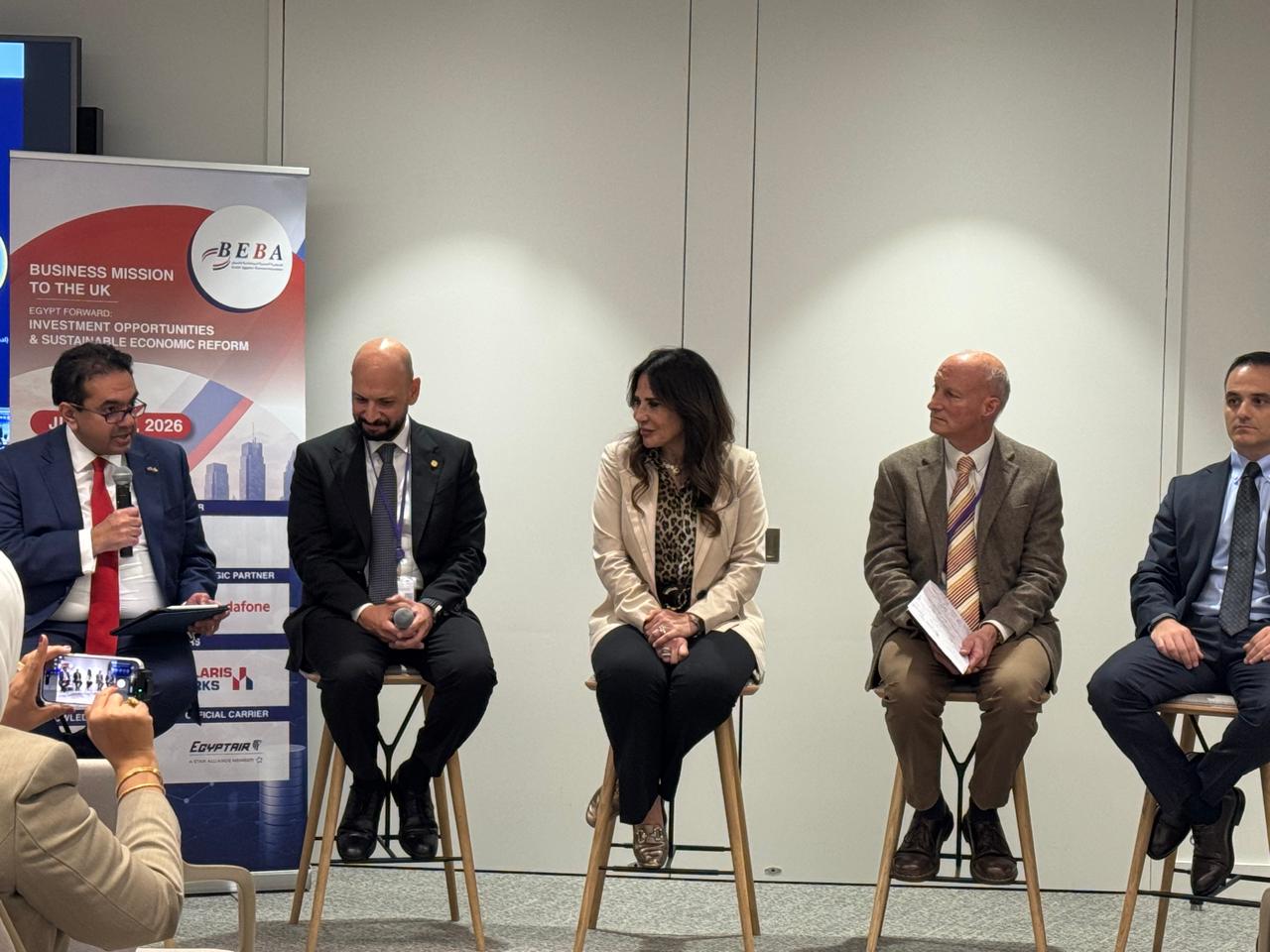
Polaris Managing Director: Economic Reforms and Infrastructure Upgrades Strengthen Egypt’s Industrial Real Estate Sector
During the session, Osman Efren Arikan, Managing Director of Polaris Industrial Parks, stated that Egypt’s industrial real estate market is increasingly benefiting from structural economic reforms, infrastructure enhancements, and the implementation of more flexible and realistic policies.
According to Arikan, these developments are making the market more attractive to both domestic and international investors. He explained that recent improvements to infrastructure—including ports, airports, road networks, power systems, and fiber-optic connectivity—have played a direct role in improving logistics performance and boosting the competitiveness of the Egyptian economy.
Arikan further noted that Egypt’s extensive network of free trade agreements with more than 70 countries strengthens its role as a regional export hub, making the country a compelling destination for industrial investments targeting global markets.
Egypt’s Real Estate Sector Is Shifting Toward Integrated Cities That Promote Sustainable Growth
Hazem Helal, CEO of the O West, Makadi Heights, and Byoum projects at Orascom Development Holding, stated that Egypt’s real estate sector is rapidly evolving from traditional residential developments toward the integrated city model. This model combines housing, services, and economic and social amenities within a unified urban framework designed to enhance quality of life and support sustainable development.
Helal added that real estate developers in Egypt are no longer focused solely on constructing residential units. Their role now includes helping create fully integrated cities capable of accommodating population growth and addressing the diverse requirements of residents.
He explained that this approach emphasizes the development of comprehensive environments that bring together housing, education, healthcare, commercial services, and employment opportunities within a single community.
He also emphasized that the long-term success and sustainability of integrated cities depend on diversified sources of revenue. Sectors such as hospitality, retail, education, and healthcare have become critical components of the economic framework of modern urban developments, helping ensure ongoing economic activity and sustainable service delivery.
Savills: Population Growth in Egypt Continues to Drive Demand for New Cities
Rory Brooke, Head of Economics at Savills, stated that Egypt’s rapid population growth and ongoing urbanization are generating rising demand for major urban centers, particularly Cairo, making the expansion of new cities an economic necessity rather than merely a policy decision.
He added that Egypt’s urban expansion strategy is supported by strong demographic trends, noting that Greater Cairo ranks among the fastest-growing metropolitan areas in the region. This growth is increasing pressure on housing, infrastructure, and public services.
Brooke pointed out that new cities have become an essential component of accommodating population growth, with around 3.4 million people already residing in new urban communities. This, he said, underscores their growing significance within Egypt’s urban development landscape.