
Mai Abdel Hamid took part in four panel discussions on the second day of her participation in the 13th session of the World Urban Forum (WUF13), hosted in Baku, the capital of Azerbaijan. The event is being held from May 17 to May 22, 2026, under the theme “Housing the World: Safe and Resilient Cities and Communities.”
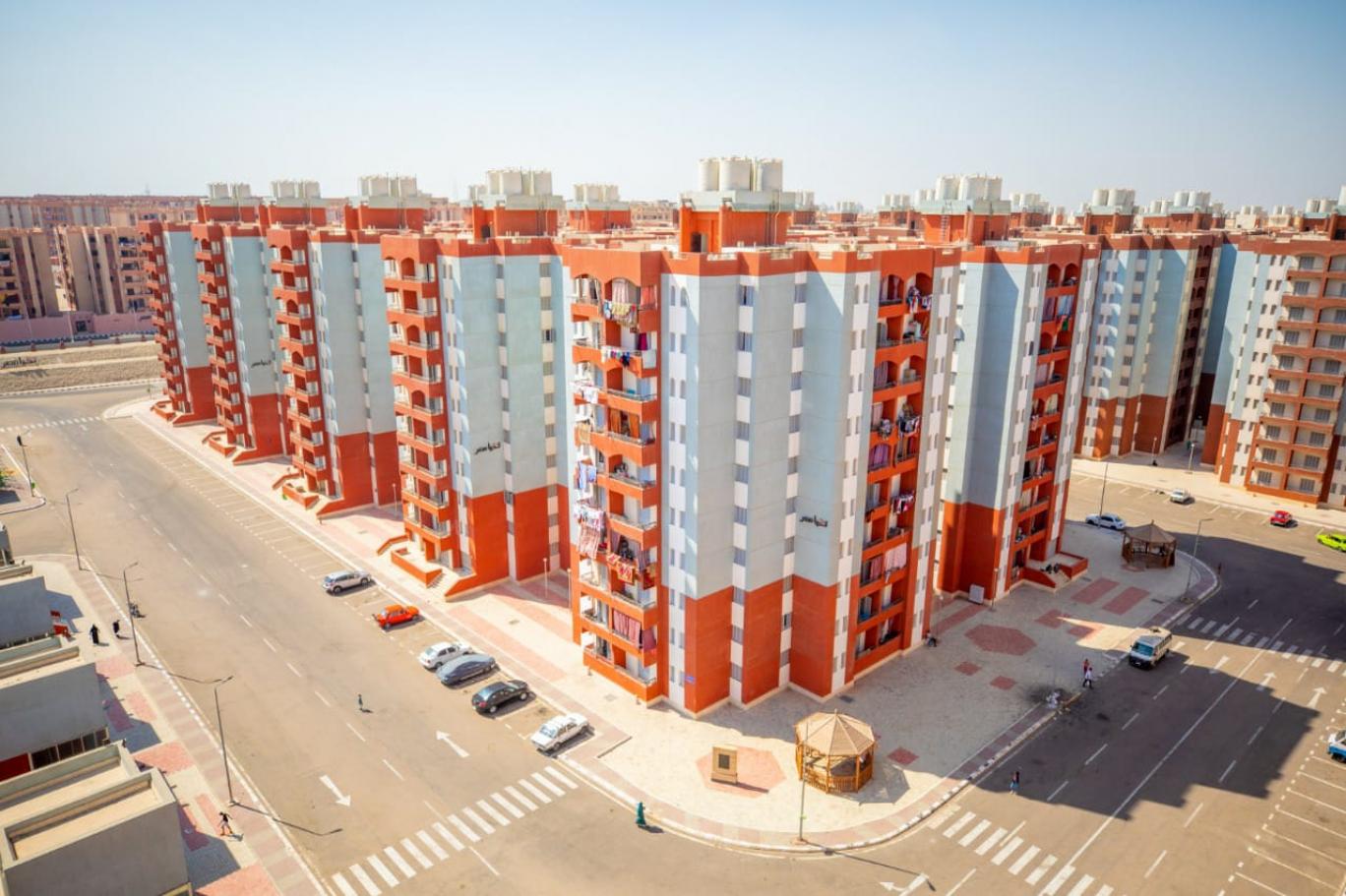
At the start of the day, she joined a main dialogue session titled “A New Deal for Housing Finance?” which included UN-Habitat Executive Director Anacláudia Rossbach, who also serves as a UN Under-Secretary-General. During the session, she highlighted that the Social Housing and Mortgage Finance Fund has been actively working since the launch of the presidential housing initiative “Housing for All Egyptians” in 2014 by President Abdel Fattah El-Sisi to provide suitable housing for low-income citizens.
The CEO explained that the initiative benefits from strong state backing as one of the key social protection programs. She noted that citizens receive multiple layers of support, including direct cash subsidies deducted from unit prices, indirect support such as free land allocation and government coverage of infrastructure and utilities, as well as subsidized interest rates that make housing loans more affordable than market levels.
She further emphasized that the fund operates under a strict regulatory framework with clear eligibility criteria to ensure that assistance is directed only to those who qualify—particularly individuals who do not own housing and are in urgent need of support.
She also pointed out that the fund is governed by Law No. 93 of 2018, which regulates its operations and funding sources. Its board includes around six ministers, reflecting the government’s strong involvement. She added that the fund has helped sustain the project by strengthening Egypt’s mortgage finance system, where it plays a central role.
It currently works with 31 banks and financing institutions from both public and private sectors and has contributed to mortgage loans totaling around $2 billion.
In another session titled “From Exclusion to Creditworthiness Enhancement: Rethinking Housing Finance for Self-Employed Workers in Emerging Economies,” she discussed Egypt’s approach to integrating self-employed individuals into mortgage financing—an area where they previously faced major barriers.
She explained that several reforms were introduced, including lowering effective housing costs through an integrated subsidy system, issuing dedicated mortgage finance legislation, and cooperating with the Central Bank of Egypt to design mechanisms that reduce interest rate risk for banks.
She also highlighted the adoption of a fully digital system, which enabled banks to access applicant data more accurately and efficiently, improving transparency and speeding up procedures.
As a result of these reforms, she noted that self-employed beneficiaries now represent around 34% of total participants in the “Housing for All Egyptians” program—roughly one-third of all recipients—demonstrating significant social and economic progress.
In a third panel titled “Facilitating Housing Finance: Mechanisms Adopted by Government Entities,” she explained that the program’s structure has helped reduce default risks.
She noted that housing units are built within integrated urban communities in well-planned locations, especially in new cities, close to essential services such as schools, hospitals, and transport networks, with commuting times generally not exceeding 60 minutes.
She added that these features make the units more attractive, encouraging beneficiaries to move in and consistently pay installments to retain ownership. This, in turn, has strengthened banks’ confidence in the program and expanded mortgage financing opportunities for low-income groups.
She also stated that Egypt’s mortgage system for low-income citizens allows financing of up to 85% of a unit’s value, while monthly repayments are capped at 40% of a borrower’s income. This structure is designed to reduce default risks, expand financial inclusion, and improve repayment capacity.
She further highlighted coordination between the Social Housing and Mortgage Finance Fund, the Central Bank of Egypt, and other government bodies to encourage participation from both public and private banks. In 2014, the Central Bank allocated EGP 20 billion to support social housing financing at reduced interest rates.
This was followed in July 2019 by a joint initiative with the Ministry of Finance worth EGP 66 billion, and later an amendment in September 2023 amounting to EGP 45.5 billion to finance 130,000 beneficiaries.
At the end of the day, she participated in a fourth session titled “Scaling Up Housing Supply: Financing, Data, and Implementation Alliances for Safe and Resilient Cities.” She stressed that Egypt’s experience in providing adequate housing for low-income groups demonstrates the importance of using clear, data-driven methodologies to build an integrated and continuously updated system that reflects economic, demographic, and income changes.
She added that the fund regularly analyzes key variables and updates its policies accordingly to ensure support reaches the most vulnerable groups facing housing challenges, helping to reduce informal and unplanned settlements.
Finally, she noted that publishing clear eligibility criteria in application booklets has improved transparency, increased application rates, and strengthened public trust in both the banking system and the overall housing program.