
The 2026 Rent-to-Own Apartments project is one of the government’s most significant upcoming housing initiatives, launched as part of its efforts to provide housing alternatives suitable for youth and low- and middle-income citizens. The project introduces a new housing model that combines rental with the option of eventual ownership, under a set of organized rules and regulations.
In the following lines, we review the project’s key details, including how the system works; the targeted beneficiaries; the number of units and proposed locations; as well as the application requirements, rental value, and the mechanism for converting the rental agreement into full ownership.
Rent-to-Own System: From Renting to Ownership
The rent-to-own system allows citizens to occupy a residential unit under a rental agreement for a specified period, during which they pay a monthly rent based on a carefully designed financial plan. At the end of the rental period, beneficiaries may convert the unit into full ownership after fulfilling all conditions and financial obligations.
The system serves as a middle-ground solution between traditional renting and direct homeownership. It eases the financial burden on eligible families while giving them the opportunity to own a home without paying the full purchase price upfront.
The total benefit period extends for six years, beginning with an initial three-year term that is renewable for another three years. After the six-year period, beneficiaries may apply to purchase the unit, with all previously paid rental amounts counted toward the property’s value. The remaining balance can then be financed through the mortgage system in accordance with regulations set by the Ministry of Housing.
Who Benefits from the Project?
The 2026 Rent-to-Own project is designed to support youth and low- and middle-income citizens, particularly those who are unable to afford down payments. It also targets newly established families, couples preparing for marriage, and citizens who do not currently own a suitable housing unit, helping ensure fair distribution of housing support while providing appropriate solutions for those most in need.
10,000 to 15,000 Housing Units in the First Phase
The first phase of the project will include between 10,000 and 15,000 housing units distributed across several governorates and new cities to meet the needs of a large segment of citizens seeking affordable housing.
The units will be fully finished and ready for delivery, with all reservation details to be announced once the project’s final procedures have been completed.
The initial offering is expected to include approximately 8,000 units in governorates, in addition to 3,500 units in new cities, as part of the state’s plan to expand the availability of housing across the country.
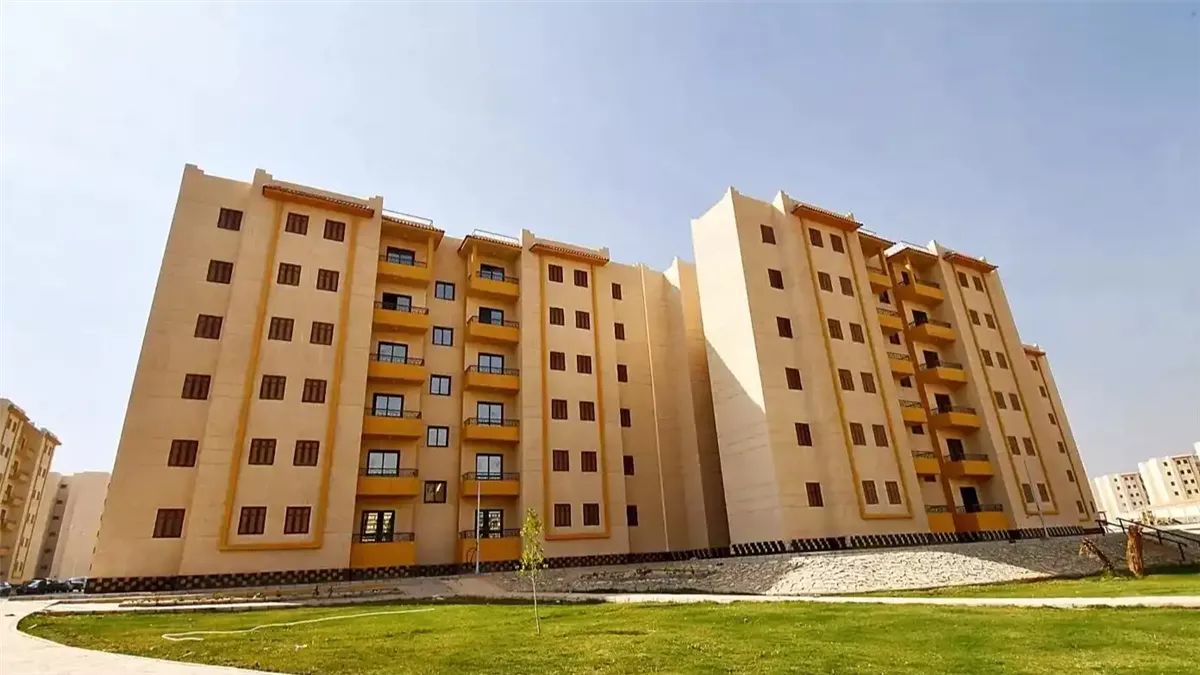
Cities Expected to Host the First Phase
According to preliminary estimates, the Ministry of Housing is considering implementing the first phase in several new cities as part of its strategy to support urban expansion and maximize the use of newly developed communities.
The proposed locations include 10th of Ramadan City, Obour City, Helwan El-Maasara, and Al Amal City, all of which feature advanced infrastructure, road networks, public utilities, and integrated services.
The government aims to select locations close to employment centers, major roads, transportation networks, and essential services to encourage residents to relocate to new urban communities and promote long-term stability.
Unit Sizes and Specifications
According to official data, the project will offer units in two sizes: 75 square meters and 90 square meters, accommodating the needs of different family sizes.
The Ministry of Housing also plans to deliver all units fully finished within integrated urban communities equipped with essential infrastructure, road networks, and public services, ensuring a suitable living environment from the first day of occupancy.
Rental Value and Ownership Mechanism
The monthly rent is expected to be set at approximately 25% of the household’s income, with rental values varying from one city to another depending on local living standards and prevailing market conditions.
The government will provide financial support to beneficiaries to ensure that rental payments remain affordable relative to household income, reducing the financial burden on eligible families.
One of the project’s key advantages is the option to convert the unit from rental to ownership, with all previously paid rental amounts deducted from the final purchase price, provided that beneficiaries remain committed to paying rent and installments on schedule.
Eligibility Requirements for the 2026 Rent-to-Own Apartments
The Ministry of Housing has established a number of key eligibility requirements for applicants, including:
- Applicants must be at least 21 years old at the time of application.
- Applicants must not have previously received a housing unit under any state-supported housing program.
- Applicants and their families must not own a suitable residential unit at the time of application.
- Applicants must not have previously benefited from any government housing support initiative.
- Applicants must comply with the financial eligibility criteria based on household income and the targeted income category.
- Applicants must adhere to all conditions and regulations outlined in the official terms and conditions booklet.
- All required documents must be submitted accurately and completely once reservations open.
Cases That Lead to Application Rejection
The Ministry of Housing has confirmed that several circumstances may result in the rejection of applications, most notably if the applicant or any family member has previously received a state-supported housing unit or land plot or benefited from any previous government housing support program.
This requirement is intended to ensure that housing assistance reaches citizens who have not previously benefited from government housing initiatives and to promote fairness in the allocation of residential units.
Applications may also be rejected if eligibility requirements are not fully met or if submitted information or documents are inaccurate, incomplete, or misleading, even if the applicant satisfies the remaining conditions.
Application and Reservation Process
The reservation process begins with obtaining the official terms and conditions booklet once the project is officially announced, along with paying the required administrative fees through authorized automated post offices.
Applicants must then create an account on the Social Housing Fund’s electronic platform using their national ID number and mobile phone number, followed by paying the reservation deposit through participating banks or post offices.
Afterward, applicants are required to upload all necessary documents in PDF format via the official website, review all submitted information carefully, and confirm its accuracy before electronically submitting the application.
Required Documents for Reservation
Applicants must submit a complete set of official documents to finalize their reservation request, including a valid copy of the applicant’s national ID card; a copy of the spouse’s ID card, if applicable; recent proof of income such as a salary statement or an income certificate certified by a licensed accountant; a recent utility bill to verify the current address; the completed reservation form and signed declaration included in the terms and conditions booklet; birth certificates of children, if applicable; proof of marital status such as a marriage certificate, divorce certificate, or death certificate depending on the applicant’s circumstances; as well as a social insurance statement (where available).
The Ministry emphasized that submitting complete and accurate documentation will help accelerate the review process and complete unit allocation procedures.