
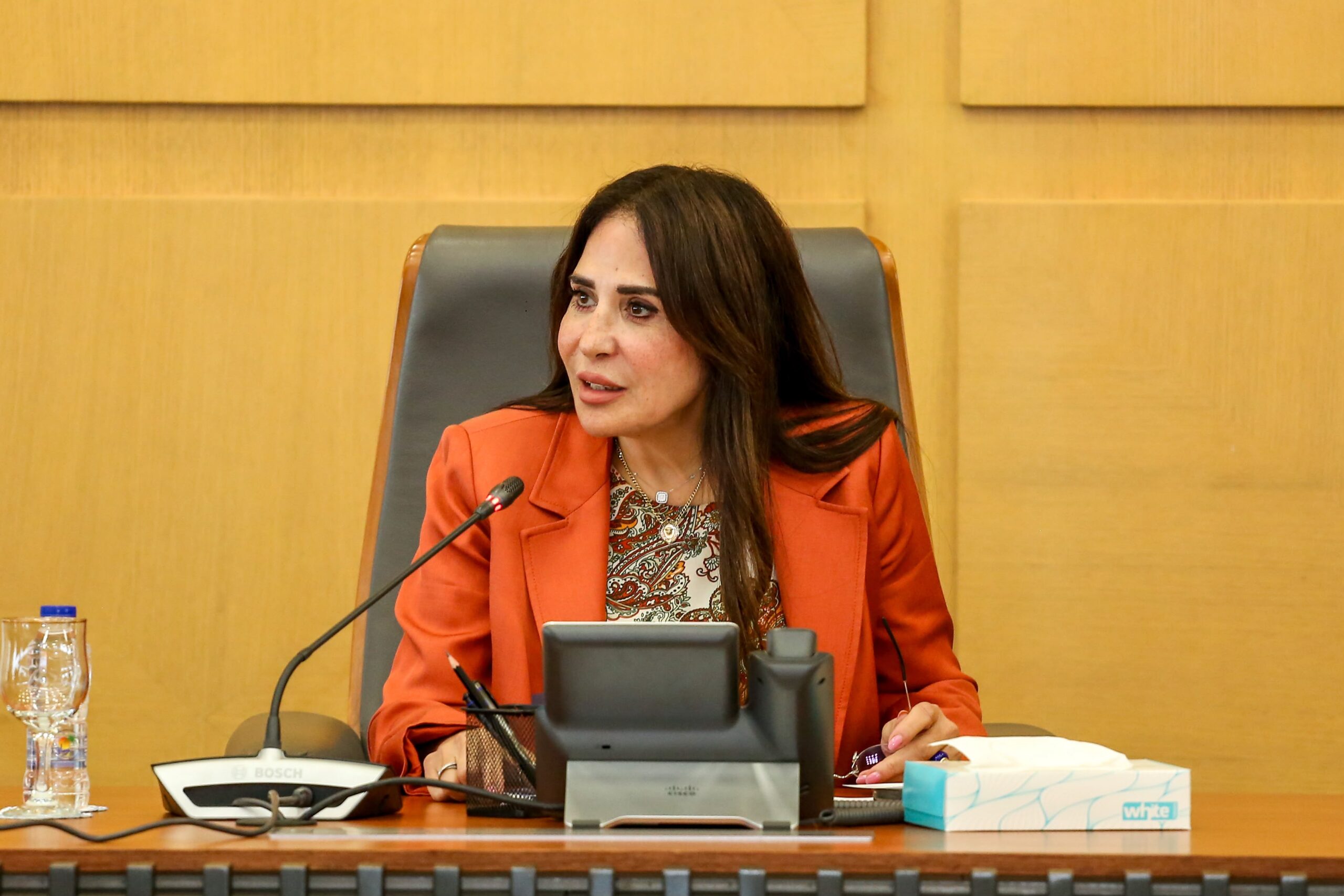
Eng. Randa El-Menshawy, Minister of Housing, Utilities, and Urban Communities, reviewed the results of meetings held by a number of heads of new city agencies with citizens to listen to their demands, complaints, and suggestions, identify their actual needs, and follow up on the measures being taken to address them.
Eng. Randa El-Menshawy noted that direct communication with citizens and listening to their demands and complaints are among the main pillars of the work system in new cities, given that citizens are the primary beneficiaries of the development and service projects being implemented.
She instructed the heads of new city agencies to ensure the continued organization of meetings with citizens, establish direct channels of dialogue with residents, and deal seriously and promptly with the demands and observations raised.
Eng. Randa El-Menshawy also directed that priority be given to demands related to utilities and basic services, cleanliness, maintenance, lighting, transportation, and other issues that directly affect citizens’ living standards. She stressed the need for coordination among the relevant departments and various city agencies to ensure a rapid response and improve the efficiency of services.
The minister pointed out that field follow-up and the continuous presence of city agency officials among citizens are essential to identifying the actual needs of residential areas and neighborhoods, monitoring shortcomings, and addressing them before they worsen.
She noted that work on the ground is the foundation for assessing the level of services and the effectiveness of the measures taken. In this regard, the minister received a report on the results of several meetings held by the heads of the Sheikh Zayed, New Qena, and El Shorouk city agencies with residents. In Sheikh Zayed City, Eng. Bassam Mohamed Fadl, Head of the City Development Agency, held an open meeting with residents of the “Beit Al Watan – Entrance 3” area.
During the meeting, the head of the agency listened to residents’ complaints, demands, and suggestions regarding a number of service-related issues. He directed that all demands be promptly reviewed and the necessary measures be taken, with field follow-up on the implementation of the proposed solutions.
In New Qena, Eng. Yasser Abdullah Ramadan, Head of the City Development Agency, held the monthly meeting with a number of city residents to listen to citizens’ complaints and suggestions, identify the needs of residential areas, and discuss observations concerning services and utilities, while working to develop appropriate solutions in accordance with available resources and applicable regulations.
During the meeting, the head of the agency listened to residents’ demands and suggestions and also presented the agency’s vision and development plan, as well as the projects scheduled to be implemented during the upcoming phase.
In El Shorouk City, Eng. Mohamed Ahmed Zakaria, Head of the City Agency, held a public meeting with residents of the Ninth District “Apartment Buildings” to listen to their demands and suggestions regarding roads, lighting, electricity, landscaping, cleanliness, maintenance, and transportation.
He directed the relevant departments to promptly examine the observations, take the necessary measures, and follow up on the implementation of solutions in the field. The head of the agency affirmed the continuation of plans to develop roads, improve lighting, green spaces, cleanliness, and maintenance, and enhance the transportation system.
He also stressed the continuation of fieldwork and public meetings across various areas of the city, while strengthening community participation and cooperation with residents in a way that contributes to improving services and enhancing the quality of life in the city.
Eng. Randa El-Menshawy directed that these meetings continue to be held regularly and that the demands raised during them be documented, with responsibilities and necessary executive measures clearly identified.
She also stressed the need for regular follow-up on response rates to ensure that citizens’ complaints and suggestions do not remain merely requests but are instead translated into tangible measures and solutions on the ground.