
The Ministry of Housing, Utilities, and Urban Communities has announced its approval of new building height regulations by the requirements set by the Supreme Council for Urban Planning and Development. These regulations align with the city’s general strategic plan and allow for varying building heights within the same area based on the strategic plan’s outcomes.
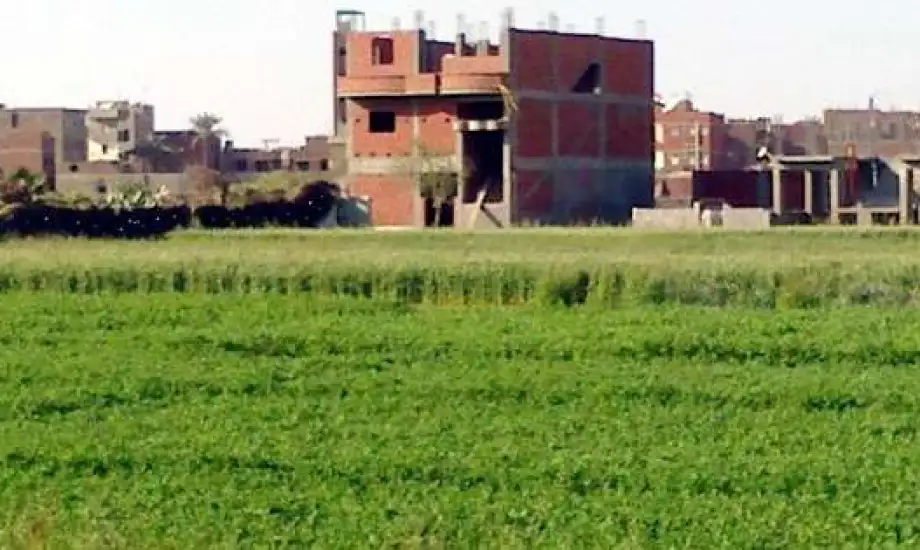
Regarding buildings in villages, height restrictions have been set to comply with the limitations issued by relevant authorities. Under these regulations, buildings on streets with a width of 4 meters are allowed a ground floor and two additional stories. For streets with a width of 6 meters, buildings can reach a height of a ground floor plus three stories. Meanwhile, on streets that are 8 meters or wider, buildings can be constructed up to 16 meters in height, equivalent to twice the width of the street.
This decision is based on a review of the Civil Code, the Local Administration System Law, and Building Law No. 119, along with its amendments and executive regulations. Additionally, the decision considered recommendations from the General Organization for Physical Planning, which included proposals for modifying general planning and building regulations. It also received approval from the Permanent Main Committee, responsible for reviewing construction, housing, and urban development legislation. Before reaching a final decision, the proposal was reviewed by the minister’s advisor overseeing the housing sector.