
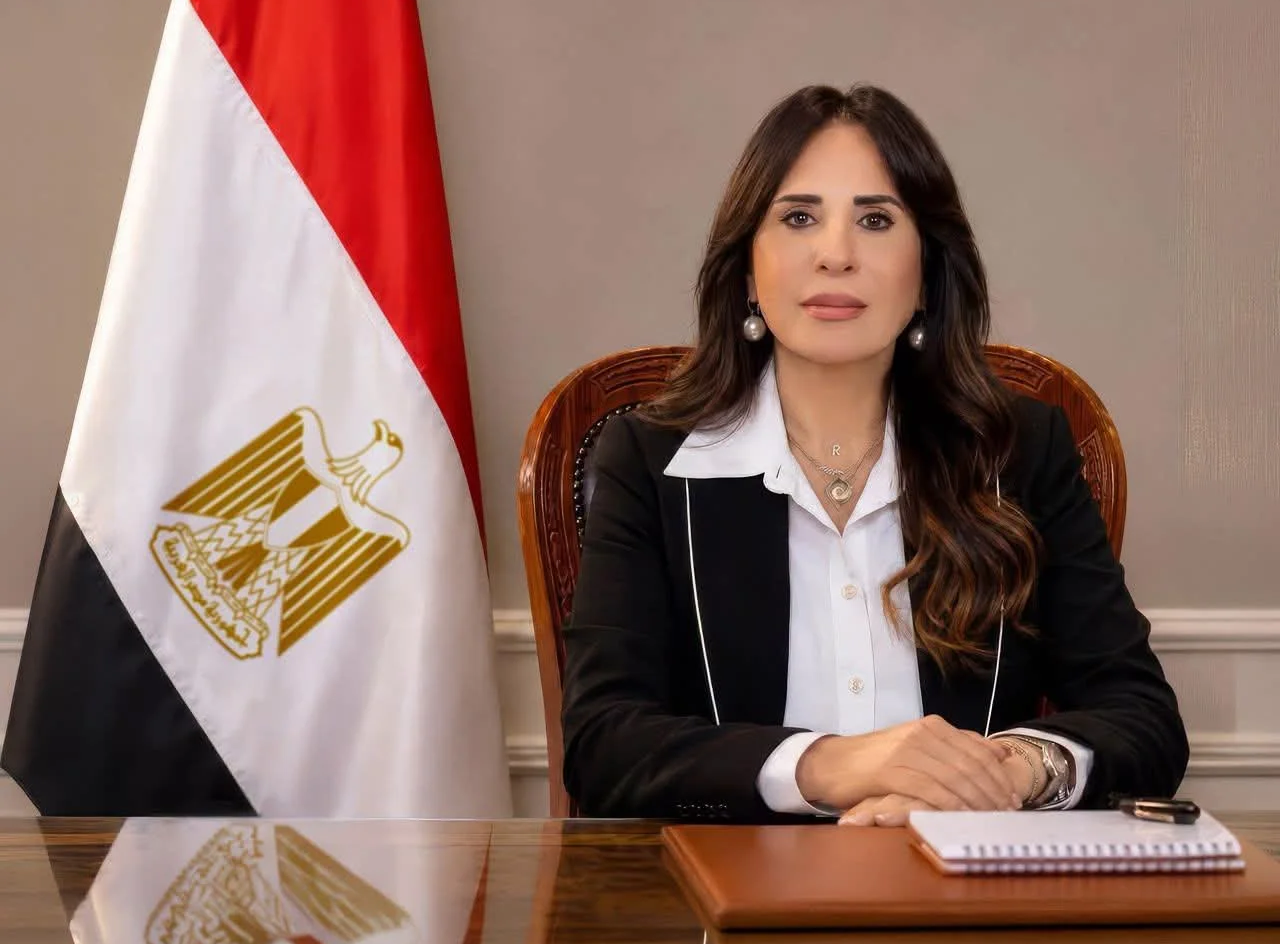
Eng. Randa El-Menshawy, Minister of Housing, Utilities and Urban Communities, reviewed Egypt’s urban development achievements from 2014 to 2026 during the “Urban and Urban Development” session at Egypt Forum 2026. She highlighted progress in housing, new cities, utilities, infrastructure, and urban renewal, while outlining plans for the next phase.
The minister explained that Egypt’s inhabited area increased from 7% in 2014 to approximately 14% by 2024. This expansion reflects the state’s strategy to improve existing urban areas while establishing new communities to accommodate population growth, redistribute population density, and create investment opportunities.
Regarding informal and unsafe areas, development projects were completed in 342 unsafe areas across 25 governorates, covering approximately 246,000 housing units. Nearly 1.2 million citizens benefited from investments estimated at EGP 63 billion. These efforts led to Egypt being declared entirely free of unsafe areas.
Development also covered unplanned areas spanning approximately 152,000 acres, with 16,500 acres upgraded through improvements to roads, utilities, services, and the urban environment. Historic and cultural areas also received attention, including Khedivial Cairo, Islamic Cairo, Fustat Hills Park, and the Great Transfiguration Project in Saint Catherine.
The minister stressed that urban development should be measured not only by the number of housing units built, but also by its impact on families’ lives, access to integrated services, and the provision of safe housing.
In the utilities sector, drinking water and wastewater projects completed between 2014 and 2026 received total investments of EGP 635.1 billion. Egypt implemented 522 drinking water treatment projects, raising production capacity to 45 million cubic meters per day. Drinking water coverage reached 99% nationwide in 2026, compared with 95% in 2014.
The state also implemented 237 wastewater treatment projects, increasing design capacity to 19 million cubic meters per day. Wastewater coverage rose from approximately 50% to 70%, with full coverage targeted following completion of all three phases of the presidential Decent Life initiative. Meanwhile, seawater desalination plants increased from 36 plants in 2014 to 129, with total capacity reaching 1.4 million cubic meters per day.
In the road sector, the Central Agency for Reconstruction implemented 610 projects covering approximately 6,500 kilometers, at a total cost of EGP 94.8 billion. Key projects included the Team Kamal Amer Axis in Giza, the axis connecting New Borg El Arab Airport to the Alexandria–Cairo Desert Road, and the Amr Ibn Al-As Axis.
The minister highlighted the role of fourth-generation cities in reshaping Egypt’s urban development map. Major examples include the New Administrative Capital, New Alamein, New Mansoura, Hadayek Al Asimah, New Suez, New Nasser, and New October.
Egypt now has 39 new cities and 13 urban communities. Their combined population increased from approximately 4.8 million in 2014 to around 15 million, while road networks expanded from 8,000 kilometers to approximately 18,000 kilometers by 2026.
Industrial development has also supported these communities. Industrial zones were incorporated into the plans of 31 new cities, covering approximately 96,000 acres across 36 zones and including 20,041 factories. Utility infrastructure investments in new cities reached EGP 357.7 billion over the past 12 years.
Regarding housing, the ministry implemented approximately 1.96 million units across different income categories. Low-income housing accounted for 56% of the total, followed by middle-income housing at 12%, luxury housing at 7%, and other categories at 25%.
Social housing programs included approximately 1.07 million units, with investments reaching EGP 241 billion, excluding utility infrastructure and land usufruct costs. Mortgage financing reached EGP 115.5 billion through 23 banks and eight mortgage finance companies. Beneficiaries also received EGP 29 billion in interest support and more than EGP 10.6 billion in direct cash assistance.
The state will continue offering housing options for different income groups, including social housing, middle-income units, subsidized rentals, and rent-to-own programs. These include 15,000 subsidized rental units under the “Housing for All Egyptians 9” announcement and 10,000 rent-to-own units through the New Urban Communities Authority.
The presidential “Housing for All Egyptians” initiative also expanded access to housing, allocating 5% of offered units to people with disabilities. Women represented 24% of beneficiaries, while self-employed workers accounted for 34%.
Eng. Randa El-Menshawy concluded that Egypt’s housing policy aims to provide affordable, suitable homes within integrated communities. The ultimate goal is to improve living standards, strengthen family stability, and ensure citizens have access to safe housing and essential services.