
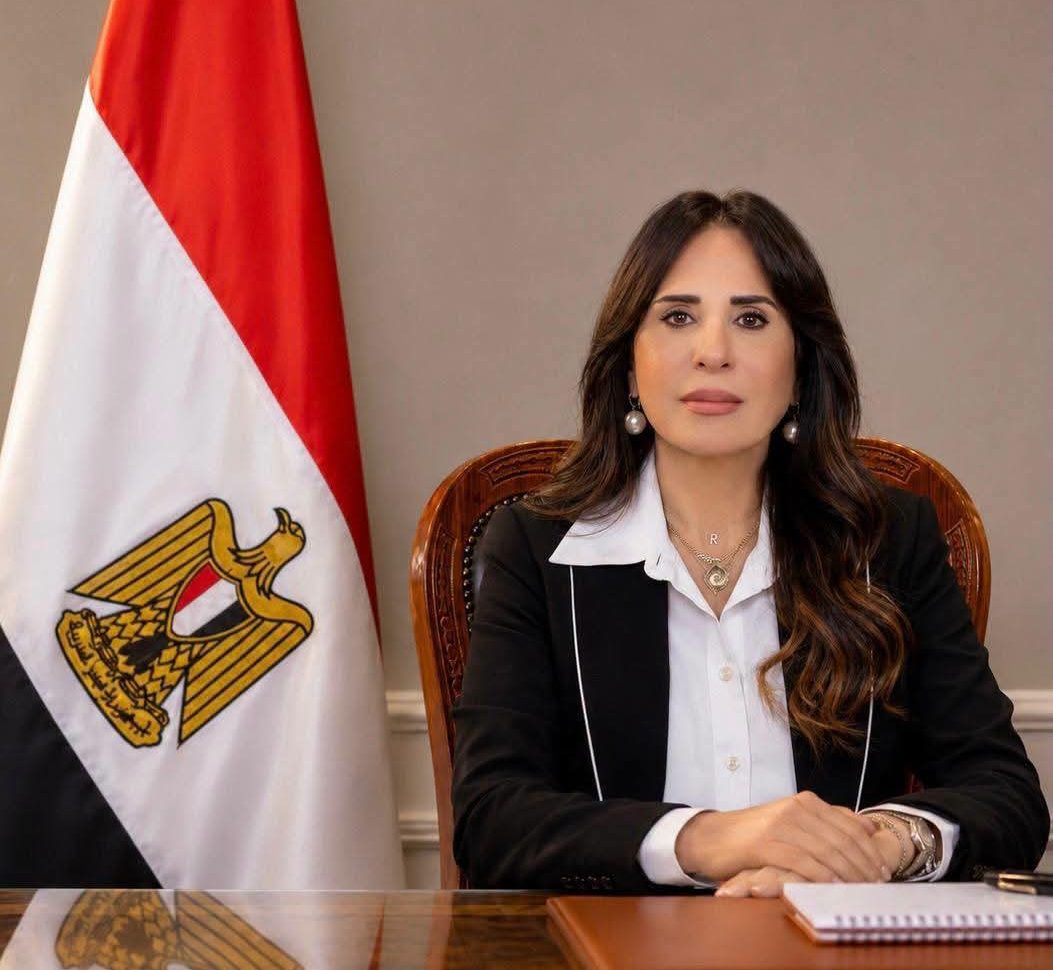
Engineer Randa El Menshawy, Minister of Housing, Utilities, and Urban Communities, reviewed the implementation progress of drinking water and sanitation projects currently underway in several governorates as part of the presidential “Decent Life” (Hayah Karima) initiative.
She stressed the importance of adhering to the approved project timelines and completing the projects as quickly as possible while maintaining the highest quality standards, contributing to improved public services and supporting the state’s efforts to develop rural Egypt.
The Housing Minister emphasized that the Ministry’s agencies and affiliated executive bodies continue to conduct regular field inspections and ongoing monitoring of project sites in line with the political leadership’s directives to accelerate the implementation of the presidential initiative.
She also highlighted the importance of addressing any obstacles that may affect project progress to maximize the benefits of these projects and improve the quality of life for citizens in the targeted villages.
In this context, Engineer Randa El Menshawy received a report outlining the findings of inspection tours conducted by officials from the National Organization for Potable Water and Sanitary Drainage (NOPWASD) at various project sites.
In Aswan Governorate, Engineer Youssef Helmy, Head of the Central Department for Upper Egypt South Projects Implementation at the organization, accompanied by several officials, carried out a field visit to monitor the progress of drinking water and sanitation projects in the Nasr El Nuba and Kom Ombo districts.
The tour included inspections of the Aniba Lift Station, Kharit (1) Lift Station, Armana Wastewater Treatment Plant, the Atmour El Qebly Main and Auxiliary Lift Stations, the Hegaza Lift Station, and the Daboud Lift Station, while emphasizing compliance with technical standards and the swift completion of the remaining works.
The report also included a visit by Engineer Atef Mahdy, Head of the Executive Agency for Drinking Water and Sanitation Projects, to Beni Suef Governorate to oversee the official operation of the Taha El Bisha Wastewater Treatment Plant, which has a treatment capacity of 15,000 cubic meters per day.
The plant serves the villages of Taha El Bisha, Kafr Nasser, Om El Ganazir, Kafr Mansour, El Mallahiya, El Daba’na, El Mallahiya El Bahariya, and Beni Awad. The project is being implemented under the presidential “Decent Life” initiative with investments totaling approximately EGP 750 million, contributing to enhanced sanitation services and improved living standards for residents.
The follow-up also covered Sohag Governorate, where officials inspected the sanitation project in the city area of Sohag District as part of the organization’s investment plan, in addition to the El Galawiya Main and Branch Sanitation Project in Saqalta District, implemented under the presidential “Decent Life” initiative.
Officials reaffirmed the importance of maintaining targeted implementation rates, meeting the required quality standards, and promptly resolving any implementation challenges.
In Damietta Governorate, the Housing Minister reviewed the implementation status of several wastewater treatment plants through an inspection tour conducted by Engineer Essam Abdel Hamid, Head of the Central Department for East Delta Coastal Projects Implementation at the organization.
The tour covered the Kafr Suleiman El Bahary Wastewater Treatment Plant with a capacity of 5,000/10,000 cubic meters per day, the Om El Rezq Wastewater Treatment Plant with the same capacity, and the Kafour El Ghab Wastewater Treatment Plant, also with a capacity of 5,000/10,000 cubic meters per day.
The tour emphasized accelerating the completion of construction works while ensuring full compliance with technical specifications to provide safe and sustainable sanitation services for citizens.
At the conclusion of the review, Engineer Randa El Menshawy stressed the importance of continuing field inspections across all ongoing projects and strengthening coordination among the implementing entities to ensure projects are completed according to the established schedules. She noted that these efforts support the state’s strategy to enhance drinking water and sanitation services and achieve sustainable development across all governorates.