
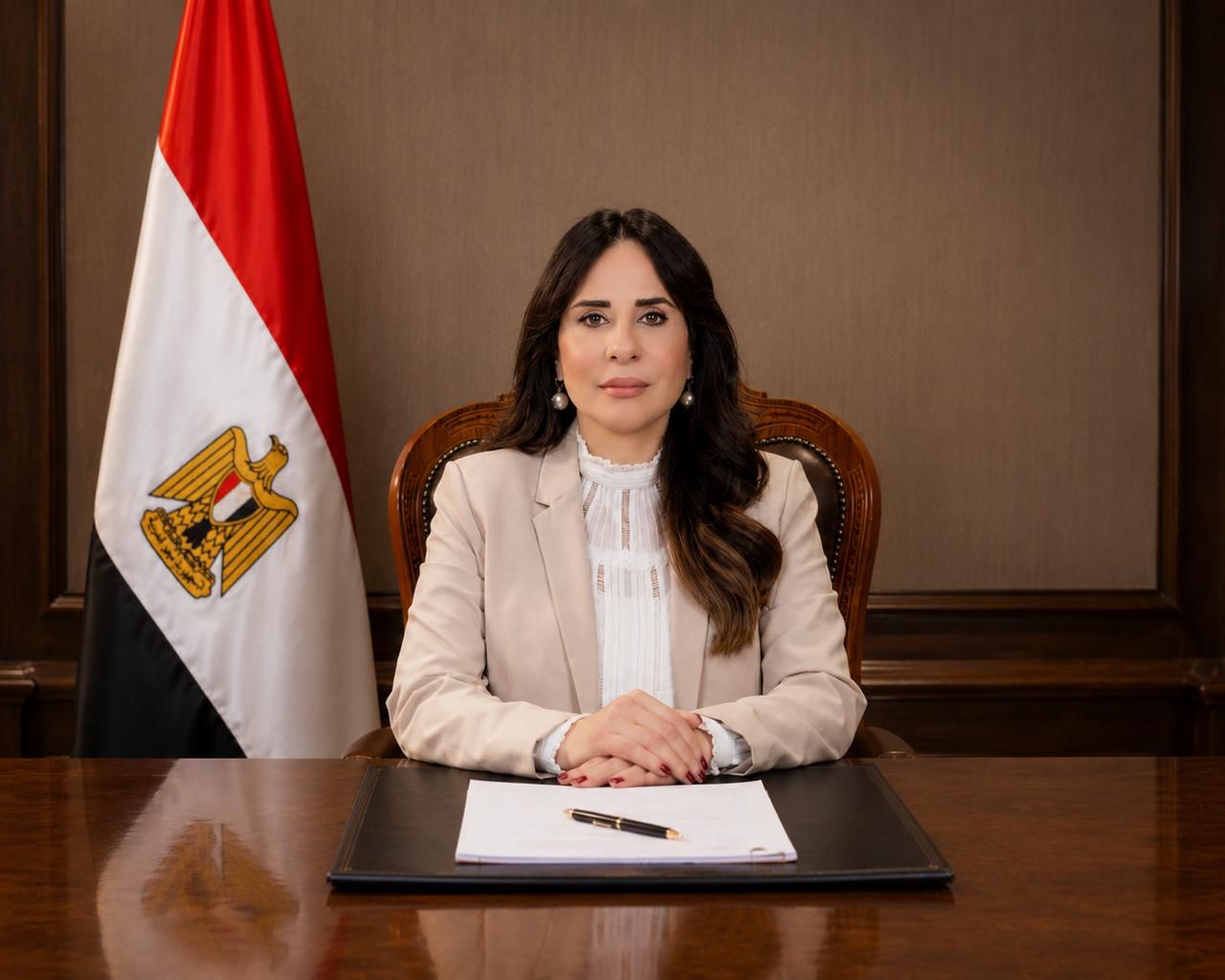
Engineer Raeda El Menshawy, minister of housing, utilities, and urban communities, reviewed the implementation status of a number of development and service projects, as well as ongoing work files, in 10th of Ramadan City and Hadayek 10th of Ramadan City.
She emphasized the importance of accelerating the implementation of infrastructure, utilities, and housing projects, improving service efficiency, promoting industrial development projects, and continuing campaigns to remove violations and encroachments in order to preserve the urban character of the new cities.
The minister of housing stressed the importance of achieving integration among development projects in the new cities, particularly utility, infrastructure, and service projects. She also underscored the need to advance ongoing projects, adhere to technical specifications, and compress implementation schedules to maximize the benefits of the investments being made.
In this context, Engineer Raeda El Menshawy received a report on the implementation status of several projects currently underway in 10th of Ramadan City. Engineer Alaa Abdelilah Mostafa, Head of the City Development Authority, noted that the first electricity distribution station in the city’s southwest industrial zone, which spans 2,200 feddans, has been put into operation as part of a plan to establish 18 electricity distribution stations serving the industrial zone.
The station will provide integrated power supply to approximately 500 factories and enhance the area’s readiness to attract further industrial investments. The minister also reviewed the progress of the rehabilitation and efficiency enhancement works at the city’s industrial wastewater treatment plant, where implementation is nearing completion.
The project will support industrial expansion and improve the efficiency of the treatment system in line with the highest environmental standards. She also followed up on the development and upgrading of the road network and major corridors in the residential and industrial areas, including asphalt paving works in several neighborhoods and the continued development of roads within the industrial zones.
In the services sector, the report addressed the progress of upgrading the city’s customer service technology center to facilitate service procedures and improve citizen satisfaction indicators. It also reviewed the outcomes of joint inspection campaigns on local markets, which resulted in the detection of a number of violations and the implementation of the necessary legal measures to protect public health.
The report also included the results of field campaigns to remove violations involving unauthorized changes in land use, encroachments on public utilities, and illegal water network connections, in addition to citywide cleaning, beautification, and waste removal campaigns across various neighborhoods.
In Hadayek, 10th of Ramadan City, the minister of housing reviewed the outcomes of a field tour conducted by engineer Ahmed Abdel Razek, head of the city development authority, along with city officials, at the Green Housing project under the presidential initiative “Housing for All Egyptians.”
The visit included follow-up on finishing works, building façades, landscaping, internal roads, and service facilities while emphasizing the need to complete the project promptly in accordance with the highest quality standards to provide an integrated and sustainable urban community.
The minister also reviewed the implementation progress of the city’s drinking water pumping station project. During the review, emphasis was placed on intensifying work, increasing implementation rates, and preparing detailed construction schedules to ensure the project’s timely completion, given its importance in improving water pressure and enhancing the efficiency of the city’s drinking water supply system.
As part of monitoring utility projects, the minister also followed up on the implementation of electricity distribution stations in the new neighborhoods and the energization of the “11S” distribution station, which serves the Al Rabie, Lotus, Al Zaytoun, and Al Rayhan neighborhoods, thereby supporting the stability of the electricity supply and keeping pace with urban growth.
The report further covered the results of cleaning and waste removal campaigns, tree-planting initiatives, the expansion of green spaces, and intensive campaigns to remove street encroachments and violations in several city neighborhoods. These efforts aimed to restore order to streets and public squares, improve traffic flow, and take the necessary legal action against violators.