
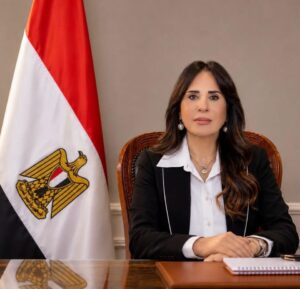
Eng. Randa El-Menshawy, minister of housing, utilities, and urban communities, reviewed the ministry’s July 2026 report on the Rapid Response System, which included key performance indicators and the system’s efforts to monitor distress calls and reports circulating on social media and digital platforms and address them in coordination with the ministry’s affiliated entities.
The report indicated that during July, the system handled a number of reports and complaints related to housing projects and drinking water and wastewater services, in addition to issues concerning building violations, encroachments, cleanliness, lighting, and improving the urban appearance of new cities. The necessary measures were taken in coordination with the relevant authorities.
The report also reviewed a number of prominent response cases that reflected the efficiency of the monitoring and follow-up system and the speed of coordination among the ministry’s affiliated entities. Complaints concerning water outages and weak water supply were addressed in several governorates, including the Red Sea, Luxor, and Beni Suef.
A number of wastewater reports were also handled in Giza, Minya, and Matrouh through the deployment of emergency teams and the necessary equipment, completion of repair and cleaning works, removal of water accumulations, and elimination of the causes of the complaints, while field follow-up continued until services returned to normal.
The system also followed up on a number of reports related to services within new cities, coordinating with the relevant city authorities to address complaints concerning internal transportation in the 390-Feddan area of Hadayek October City, remove encroachments, and improve the urban appearance in several areas.
It also followed up on complaints related to cleanliness and the maintenance of roads and utilities in New Cairo City, taking the necessary measures to help improve the quality of services provided to citizens. In the housing sector, the system monitored a number of inquiries and complaints related to social housing projects and the “Beit Al Watan” project for Egyptians living abroad.
The relevant authorities were coordinated with to examine the cases, clarify the applicable procedures and regulations, and follow up on citizens’ requests, thereby enhancing transparency and facilitating access to services. The system also followed up on a number of issues related to the implementation rates of certain projects and ensured compliance with the approved timelines.
July also witnessed a number of rapid field responses that reflected the efficiency of the monitoring system and the speed of addressing issues circulating on social media platforms. Warning signs were installed, and an artificial speed bump was painted in 10th of Ramadan City to enhance traffic safety.
Major cleaning campaigns were carried out in El Shorouk City, resulting in the removal of waste and improved cleanliness levels. In addition, barriers and encroachments were removed from the slow lane parallel to Al Wahat Road in 6th of October City, reopening it to traffic. The responses also included addressing complaints concerning water leakage and accumulated waste in Sadat City by repairing the leakage, removing the waste, and restoring the site to its normal condition.
Immediate action was also taken in Badr City to inspect a complaint concerning the structural condition of a building, with a technical committee formed to conduct the necessary studies and follow up on the situation until the required procedures were completed. Road development works and the removal of construction debris were also intensified in the Distinguished District, while legal action was taken against violations.
Response cases also included restarting the escalator at the Wholesale Market in 6th of October City after completing maintenance works, as well as addressing reports of wastewater overflows in Marsa Matrouh, where cleaning and unclogging works were carried out to eliminate the causes of the complaints. In addition, mosquito spraying and control campaigns were implemented in the Al Kawthar area of Hadayek October City to protect public health and improve environmental quality.
Eng. Randa El-Menshawy noted that these cases reflect the diversity of the Rapid Response System’s areas of work, which included improving drinking water and wastewater services, maintaining utilities, upgrading roads, enhancing traffic safety, removing encroachments and obstructions, and monitoring the structural condition of buildings.
This reflects the speed of coordination between city authorities and the entities affiliated with the Ministry of Housing and confirms the ministry’s commitment to responding quickly to citizens’ complaints and improving the level of services provided.
The minister pointed out that strengthening communication with citizens is among the Ministry of Housing’s priorities and that the Rapid Response System represents one of the key pillars for achieving this objective through real-time monitoring of issues circulated across various digital platforms, rapidly addressing complaints and distress calls, and referring them to the competent authorities while following up on the implementation of solutions until the complaints are resolved.
This contributes positively to improving service levels, enhancing operational efficiency, and strengthening citizens’ confidence in the speed with which their problems are addressed.
She explained that the system operates in coordination with all entities affiliated with the Ministry, including the New Urban Communities Authority, the Social Housing and Mortgage Finance Support Fund, the Holding Company for Water and Wastewater, and the National Authority for Drinking Water and Sanitation, ensuring rapid response and immediate handling of various complaints.