
The state does not simply sell a housing unit; it bears a significant portion of the cost to provide adequate housing at an affordable interest rate and with direct cash support.
Since the launch of the Social Housing Program, followed by the presidential “Housing for All Egyptians” initiative, providing adequate housing for low-income citizens has become one of the most prominent forms of support provided by the state to citizens.
This is achieved not only through the construction of housing units, but also through an integrated system in which the state bears a significant portion of the cost of providing housing, with the aim of achieving social justice and enabling citizens to obtain suitable units at affordable prices and under favorable terms.
Housing support is not limited to one form, such as reducing the price of the unit. Rather, it takes several forms, beginning with providing land without adding its cost to the apartment price, covering the cost of infrastructure implementation, and providing direct cash support to citizens, in addition to offering long-term mortgage financing at low interest rates, with the state bearing part of its cost.
The “Housing for All Egyptians” system is one of the largest social housing programs in the world, targeting the provision of housing units for low- and middle-income citizens as part of the state’s vision to provide citizens with a decent life and bridge the gap between families’ purchasing power and the cost of obtaining adequate housing.
Since the program began, the state has not treated housing merely as a commodity but rather as one of the citizens’ basic rights. This is consistent with the concept of social justice, which was one of the main demands during the stages of political transformation Egypt went through, as providing safe and adequate housing has become part of the social protection system.
Figures from the Social Housing and Mortgage Finance Support Fund reveal the scale of the support borne by the state under this system. Total direct cash support provided to citizens since the beginning of the program reached approximately EGP 10.3 billion by the end of fiscal year 2024/2025, while the number of beneficiaries of low-income housing units exceeded 653,000 citizens.
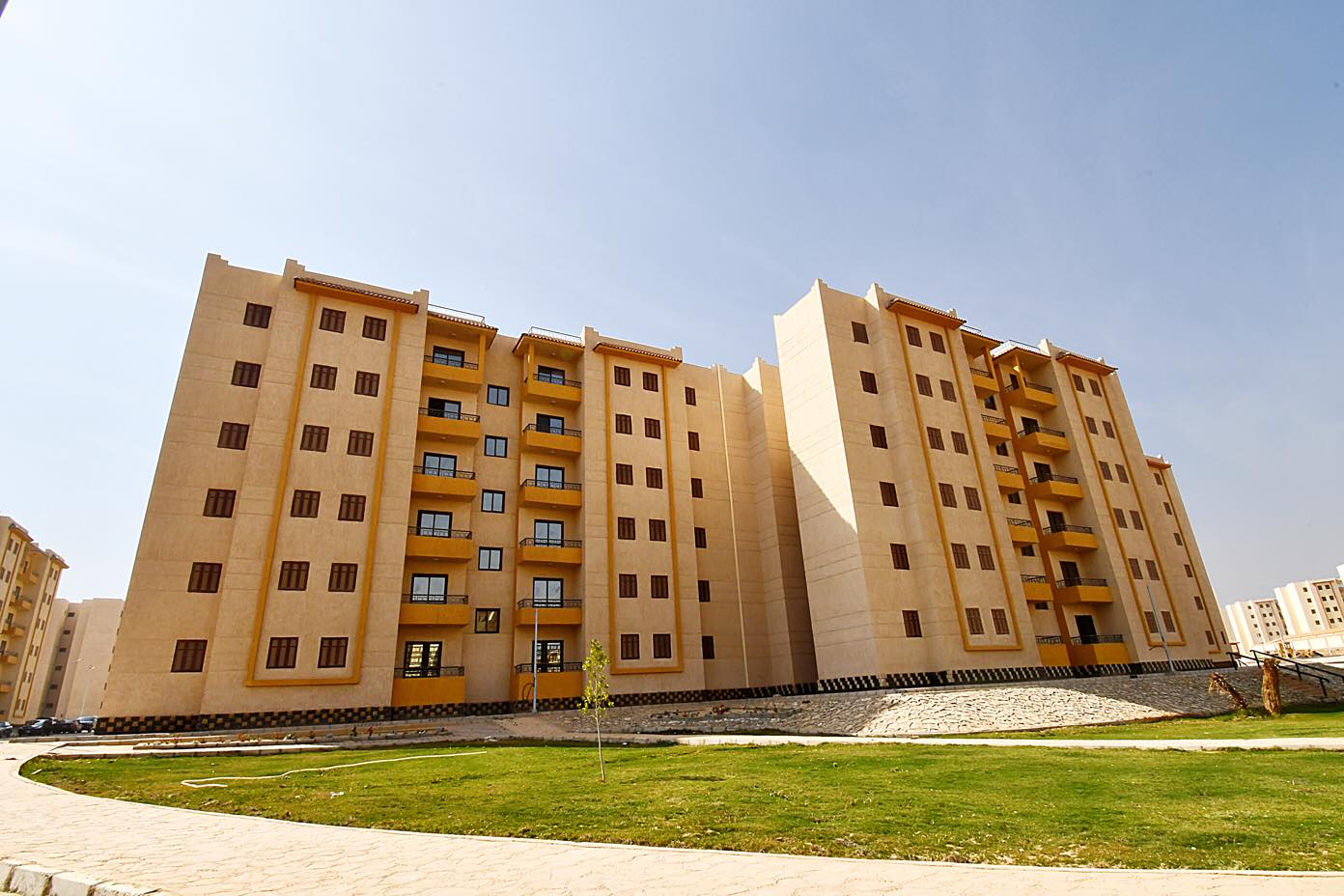
Total mortgage financing granted to low-income beneficiaries also reached approximately EGP 90 billion through banks and financing companies participating in the initiative. Direct cash support represents only one part of the system.
Another form of support involves the state covering the difference in mortgage financing costs, allowing citizens to obtain long-term financing under favorable terms, making the monthly installment affordable relative to their income. This is a cost borne by the state to ensure that the targeted groups can afford to own their units.
Under the state’s draft budget for fiscal year 2026/2027, allocations for supporting the Social Housing Program were estimated at approximately EGP 12.95 billion. This reflects the state’s continued commitment to bearing the cost of supporting low-income citizens under the program, including the interest-rate differences on subsidized loans provided to beneficiaries.
The form of support provided to citizens has also evolved over the past years. While direct cash support was relatively limited at the beginning of the program, it subsequently increased several times to keep pace with economic changes and rising construction costs.
According to the Fund’s data, the value of cash support ranges between minimum and maximum levels, with the maximum reaching EGP 160,000 depending on income brackets and eligibility requirements.
The state not only bears the cost of direct support to citizens; it also provides indirect support beginning with the provision of land. The necessary land for housing projects is allocated at subsidized prices, alongside the implementation of utility networks, roads, and basic services, which account for a significant portion of the cost of any urban development project.
This means that the price paid by a citizen to obtain a unit under the Social Housing Program does not reflect the full actual cost of constructing the unit, as the state bears a significant portion of the costs of land, infrastructure, financing, and direct cash support.
The objective is to strike a balance between providing housing for citizens and maintaining the ability of low-income families to meet their payment obligations. The program has also contributed to changing the form of government intervention in the housing sector.
It is no longer based on providing a limited number of units to specific groups but has evolved into a continuous system based on planning and ongoing production, ensuring the provision of new units that meet growing population needs.
Alongside its social dimension, the “Housing for All Egyptians” program has supported the economy by stimulating the construction and building sector, creating direct and indirect employment opportunities, and boosting numerous industries linked to urban development. This makes housing support both a social and economic intervention.
The experience of social housing demonstrates that supporting citizens is not limited to direct financial assistance but also extends to providing an essential service of appropriate quality at a price citizens can afford.
This makes the housing system one of the state’s most important programs for achieving social justice and transforming the right to housing from a demand into a tangible reality for hundreds of thousands of Egyptian families.