
As part of the joint awareness campaign held under the slogan “Together, We Protect Water… Together, We Comply with the Law,” the Regulatory Agency for Drinking Water, Wastewater, and Consumer Protection, in cooperation with the General Federation of Associations and NGOs, continues to deliver awareness messages aimed at raising awareness of the provisions of the Drinking Water and Wastewater Utility Regulation Law No. (172) of 2025, informing citizens of their rights and duties, and promoting a culture of legal compliance as one of the key pillars of preserving this vital utility.
The campaign continues to highlight various aspects of the law, including combating rumors and false news related to drinking water and wastewater services, given the threat they pose to public awareness, their potential to cause confusion, and their ability to undermine citizens’ confidence in public services, in addition to their possible negative impact on the stability of public utilities and the public interest.
The campaign emphasized that circulating inaccurate information or publishing misleading news about drinking water and wastewater services may cause public concern, disrupt public opinion, and undermine confidence in service providers. The legislator has sought to address such practices through explicit legal provisions that criminalize them and impose deterrent penalties on anyone who deliberately publishes or promotes them.
In this regard, Article 73 of the Drinking Water and Wastewater Utility Regulation Law No. 172 of 2025 stipulates: “A fine of no less than EGP 50,000 and no more than EGP 500,000 shall be imposed on anyone who promotes rumors or false information, by any means, concerning water quality, with the intent of disturbing public peace and social security among citizens regarding the condition and quality of water.”
The article aims to protect society from rumors concerning one of the most vital public utilities, stressing that the purpose of the legislative provisions is not to restrict the freedom to circulate information, but rather to ensure that citizens receive accurate information, preserve social security, strengthen confidence in state institutions, and protect public health from the negative consequences that may result from circulating unverified information.
The campaign also stressed the importance of relying on official authorities for information related to drinking water quality and wastewater services, urging citizens not to circulate or repost any information before verifying its accuracy.
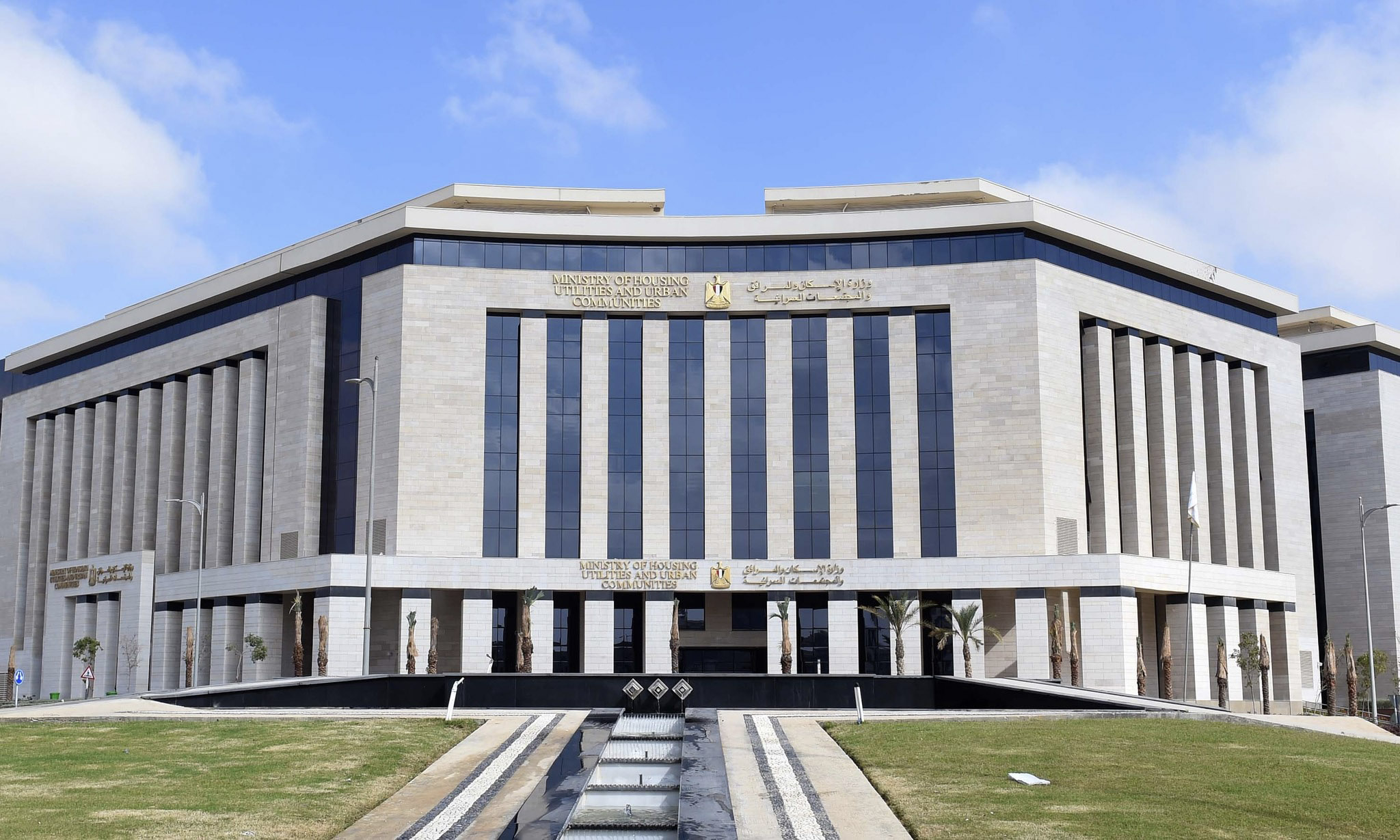
Citizens are encouraged to refer to statements issued by the Ministry of Housing, Utilities, and Urban Communities; the Regulatory Agency for Drinking Water, Wastewater, and Consumer Protection; and the Holding Company for Water and Wastewater and its affiliated companies, as they are the competent authorities responsible for issuing official information and data.
It was emphasized that combating rumors is a shared social responsibility and that citizen awareness represents the first line of defense in protecting public utilities. Verifying information, referring to official sources, and refraining from circulating unverified news are practices that contribute to strengthening public confidence and maintaining the stability of services provided to citizens.