
The New Urban Communities Authority (NUCA) has recovered more than 350 feddans of investment land valued at over EGP 21 billion during the 2025/2026 fiscal year, after confirming that the contracted companies failed to pay due installments or implement their projects according to the agreed timelines.
The move reflects the state’s approach to managing NUCA’s land portfolio and ensuring that allocated land is transformed into active development projects rather than remaining unused. According to an official at the New Urban Communities Authority, the majority of the recovered land had been allocated to real estate developers and investment entities.
The withdrawal procedures were carried out due to violations of the contractual terms agreed upon with the authority. The recovered land is spread across several new cities, including New Sphinx City, Hadayek October, and New Obour City, with New Sphinx City accounting for the largest share of the reclaimed areas.
The official confirmed that most of the recovered land is fully serviced and ready for immediate development, explaining that it will be reoffered to new investors or developed through partnerships with the private sector. This approach aims to reintegrate the land into the investment cycle and achieve its intended economic and developmental returns.
Why Does the State Recover Land?
The official explained that NUCA’s relationship with investors begins at the moment land is allocated—not when it is withdrawn. Land under the authority is governed by a specific system in which plots are allocated for the purpose of implementing development projects that add value to new cities.
Obtaining an investment land plot does not constitute unconditional ownership. Instead, it is tied to a set of contractual obligations, foremost among them paying financial dues on time, commencing implementation according to approved schedules, and completing the project in line with the authority’s regulations and requirements.
He added that the objective of this framework is to ensure that allocated land is converted into real development projects that contribute to the growth of new cities, rather than being retained without productive use.
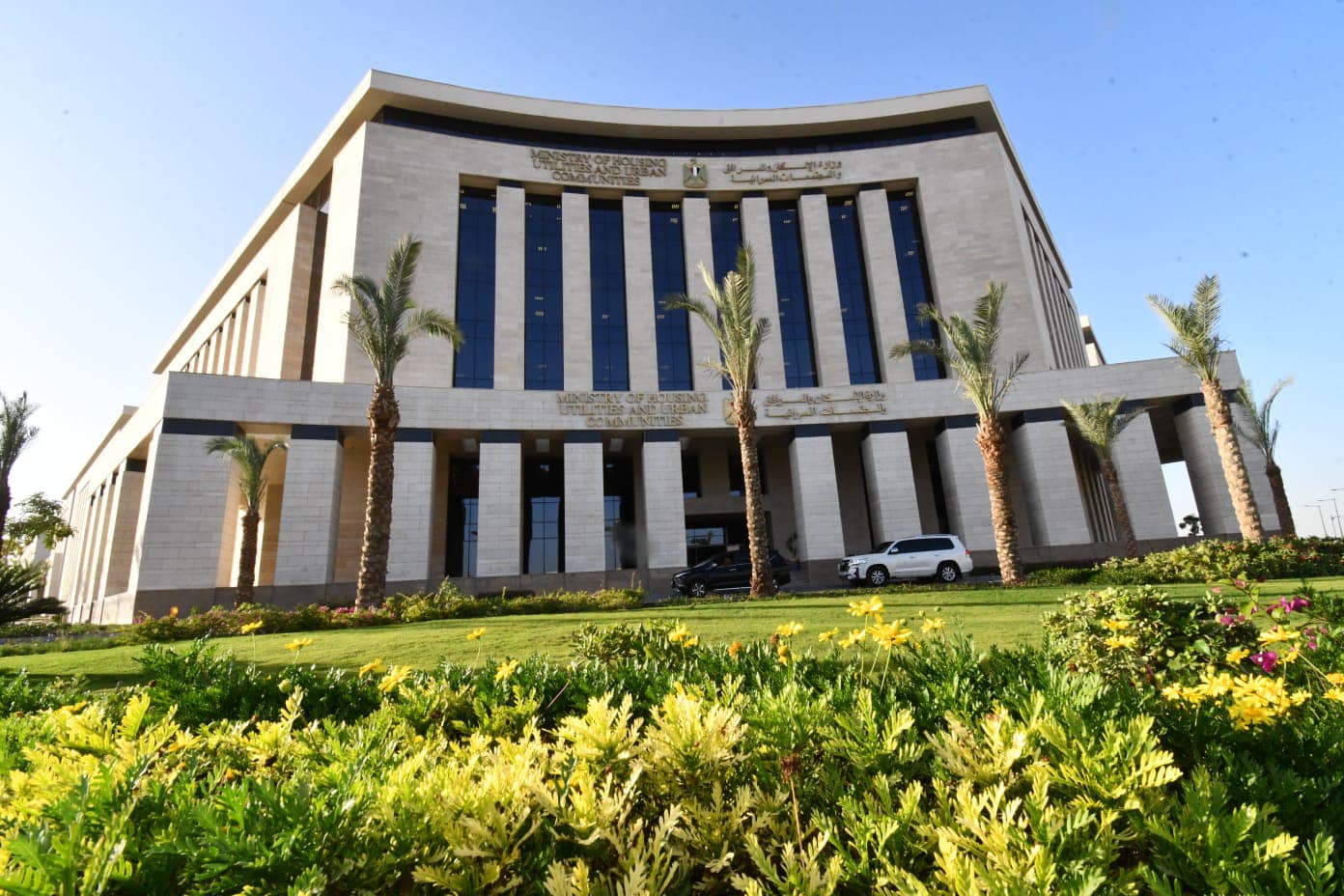
From Allocation to Implementation: The Land Development Process Within NUCA
Investment land under the New Urban Communities Authority passes through several stages, beginning with identifying investment opportunities in new cities and offering land according to the planned activities and land uses for each city, whether for urban, service, or investment projects.
After allocation and contract signing, the authority begins monitoring the investor’s commitment to the implementation schedule, payment obligations, and completion of the procedures required to commence construction.
During this phase, NUCA continuously monitors project progress and grants additional time to serious investors to complete their work, particularly in light of challenges that some projects may encounter, while preserving the state’s right to recover land in cases of non-compliance.
Land Withdrawal Is Not the End—It Marks the Beginning of a New Investment Cycle
The significance of recovering land lies not merely in withdrawing it but in redirecting it to investors capable of implementing projects and achieving the purpose for which the land was originally allocated.
Once returned to the New Urban Communities Authority, the land re-enters the city’s investment map, either by being reoffered to new investors or incorporated into development partnerships with the private sector.
In this way, land recovery becomes more than a contractual procedure—it serves as a tool for reactivating available resources and ensuring that fully serviced land does not remain outside the cycle of production and development.
Serious Investors Are the Ultimate Beneficiaries
NUCA’s land management philosophy is centered on supporting serious investors who can transform land into viable development projects, because completed projects not only generate returns for the state but also create an integrated economic ecosystem.
Every project implemented creates new employment opportunities during both the construction and operational phases, generates investment opportunities for businesses associated with the project, and provides urban services and facilities that benefit residents of new cities and surrounding areas.
Accordingly, the timely implementation of projects is considered a fundamental element in achieving the objective of land allocation: building productive urban communities rather than merely expanding residential areas.
Regularizing Land Status and Organizing the Land Map
The recovery of investment land coincides with additional measures being implemented by the New Urban Communities Authority to regulate the status of land recently incorporated into several new cities.
The authority has opened applications for land status regularization in six cities—Sheikh Zayed, New Sphinx City, New Obour City, El Shorouk, New October, and 6th of October City—covering a total area exceeding 193,000 feddans. The initiative aims to review ownership documents, regulate land transactions, and safeguard state rights.
The Land Portfolio: A Development Tool, Not Simply an Asset for Sale
The New Urban Communities Authority’s land portfolio represents one of the key pillars of the state’s strategy for urban expansion and investment attraction. The value of these lands is measured not by their sale, but by their ability to be transformed into functioning projects that contribute to economic growth, create jobs, and support the development of new cities.
Accordingly, managing this portfolio is not limited to allocating land. Instead, it focuses on sustaining the full development cycle: allocating land to serious investors, implementing projects, creating employment opportunities, developing cities—or recovering land and reoffering it to those capable of turning it into genuine economic value.